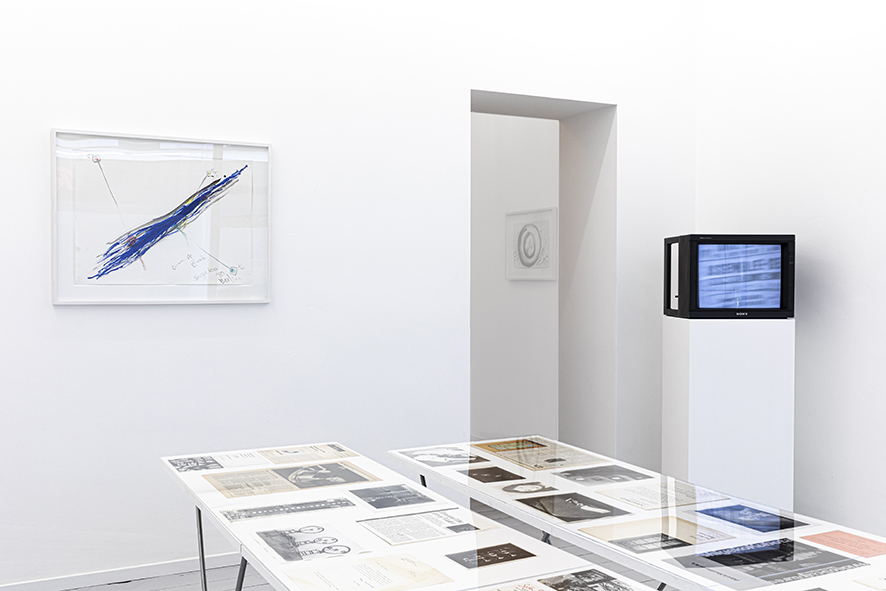
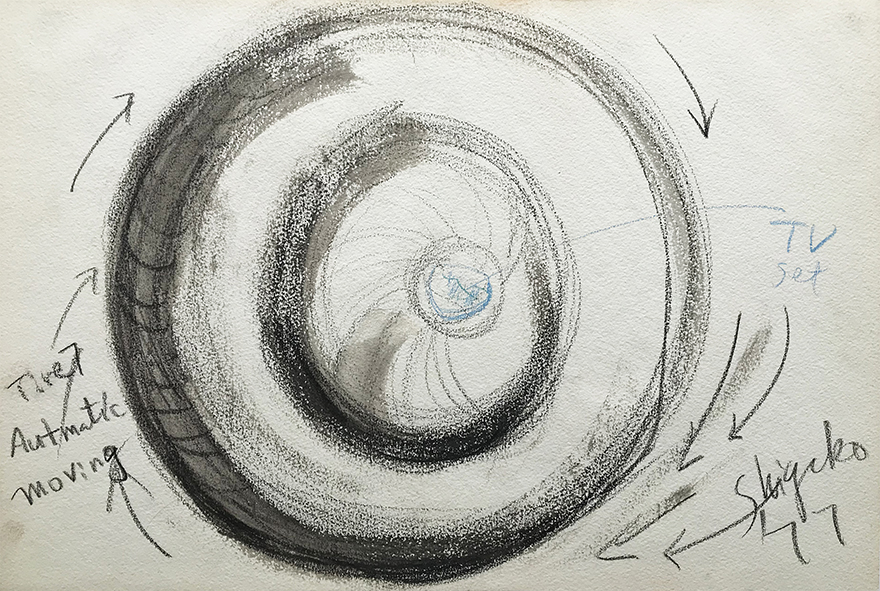
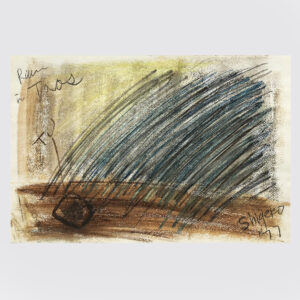
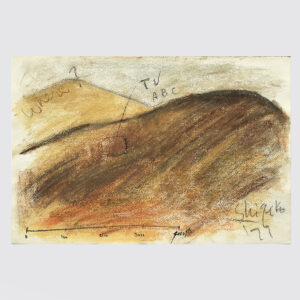
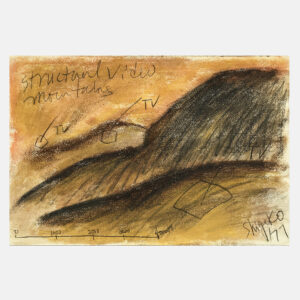
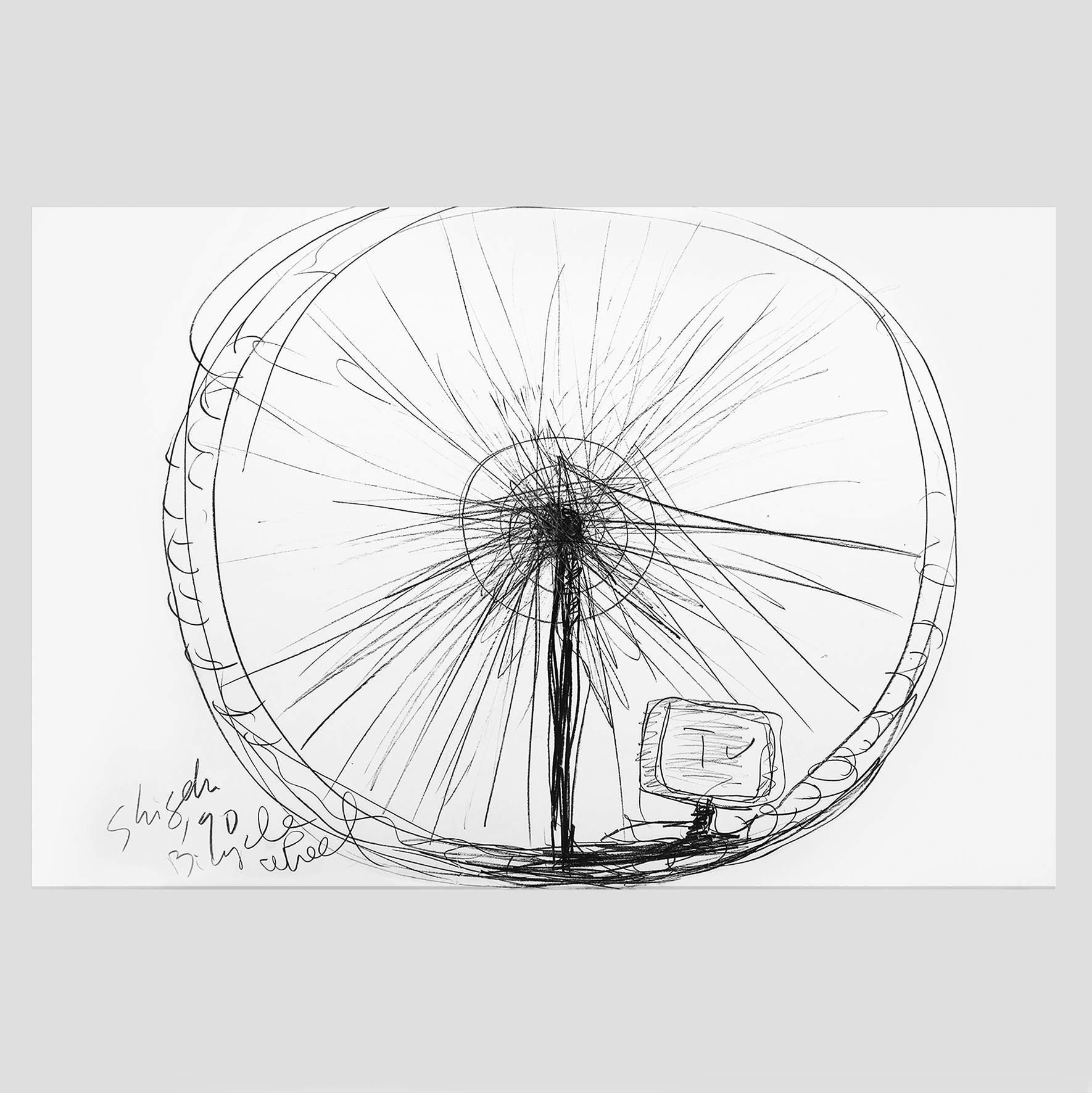
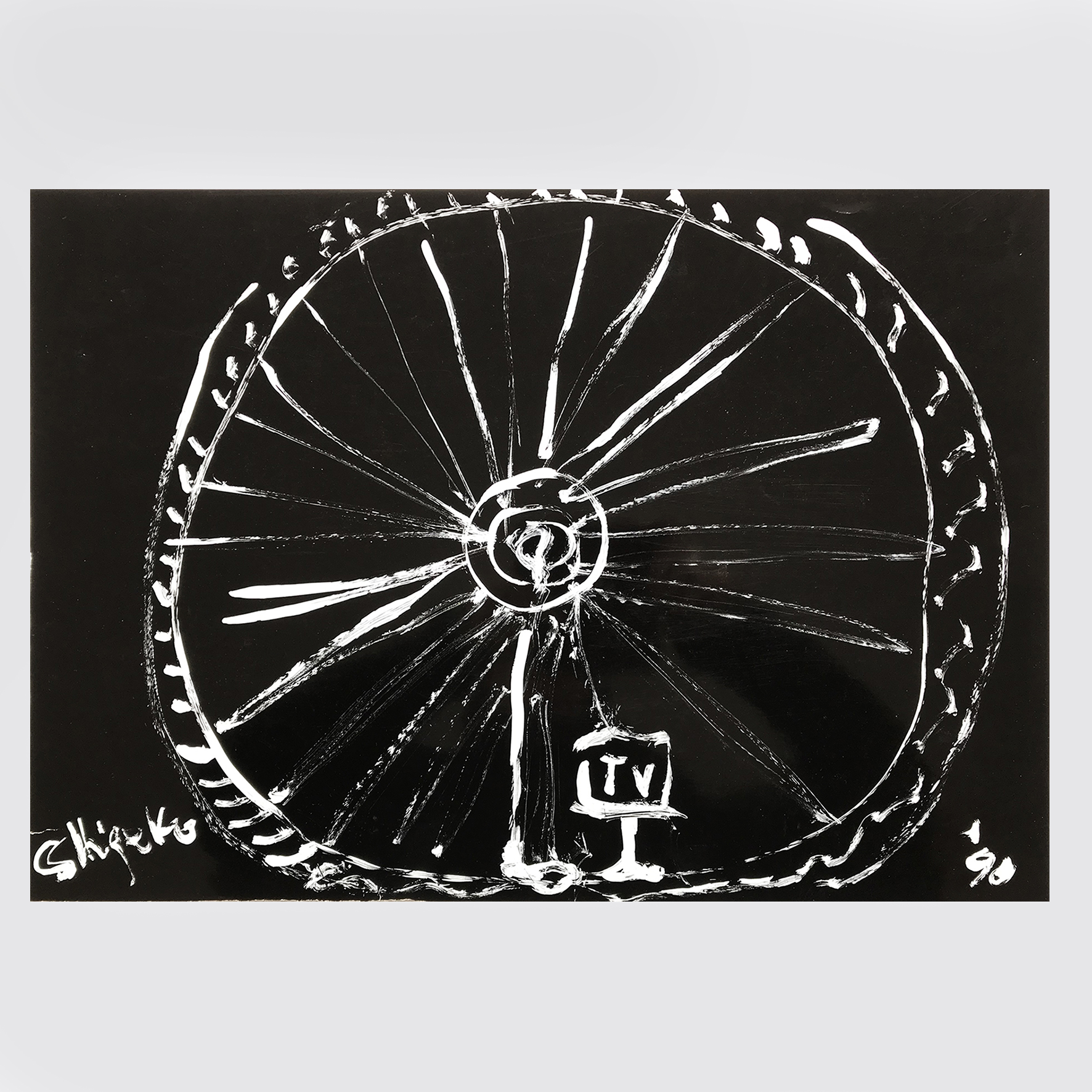
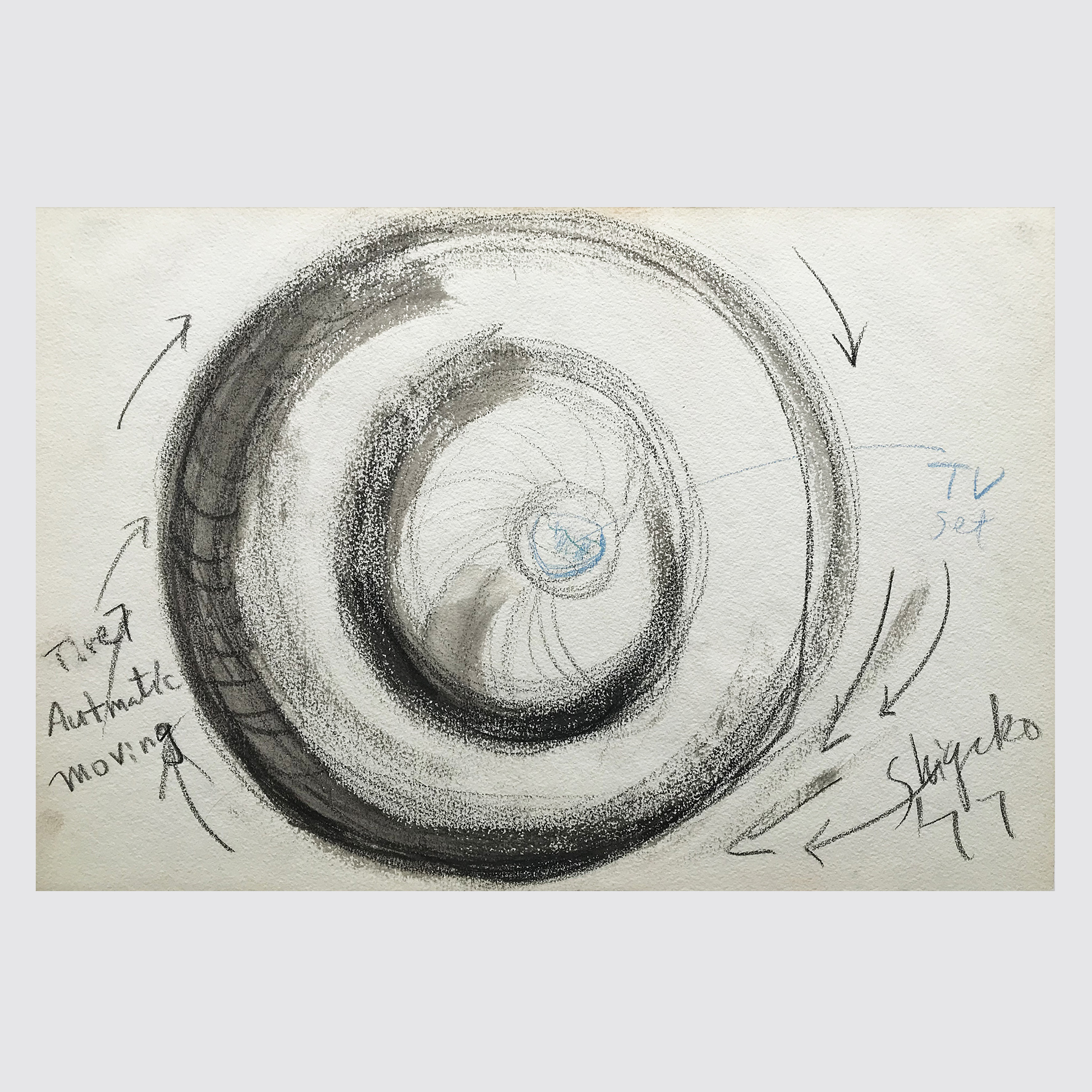
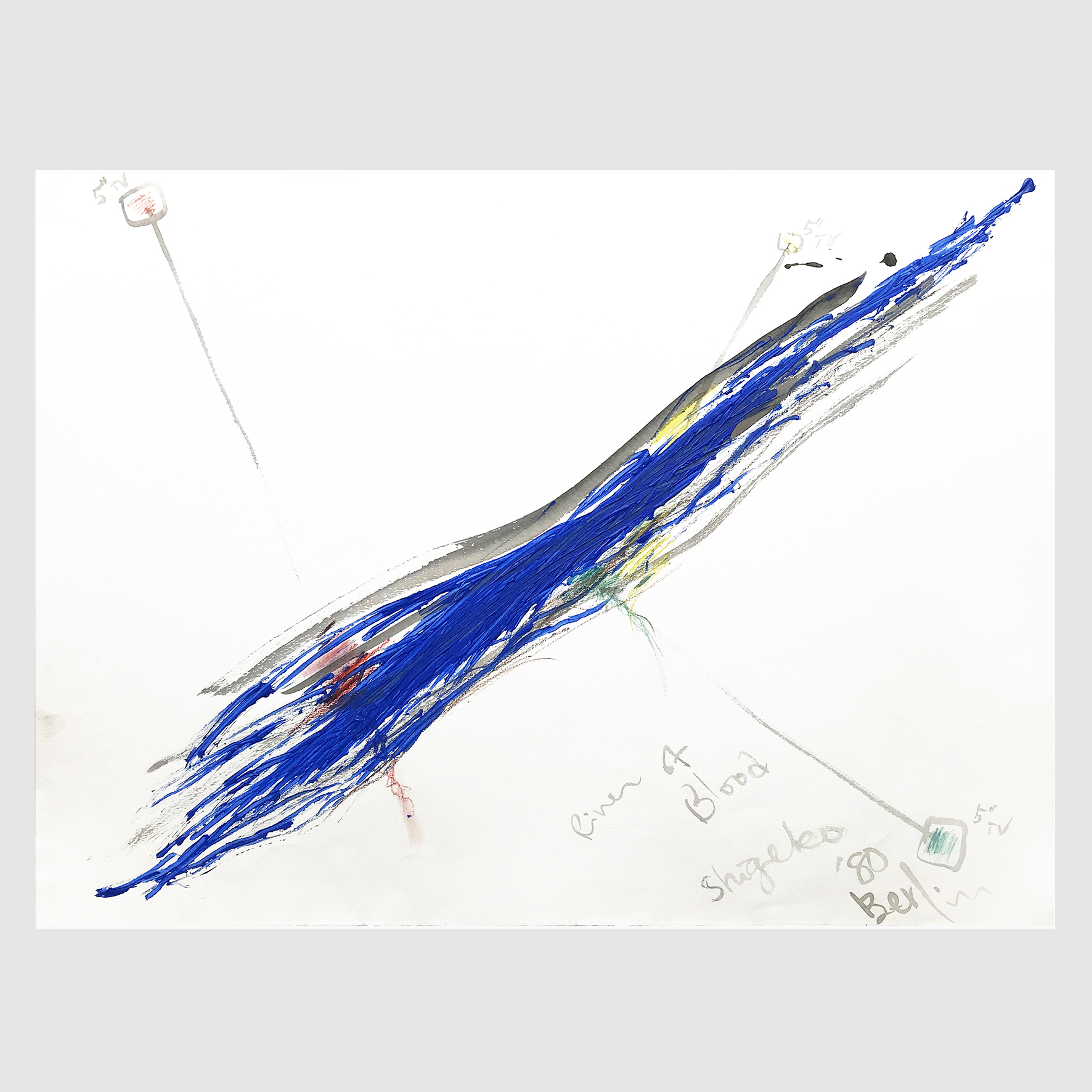
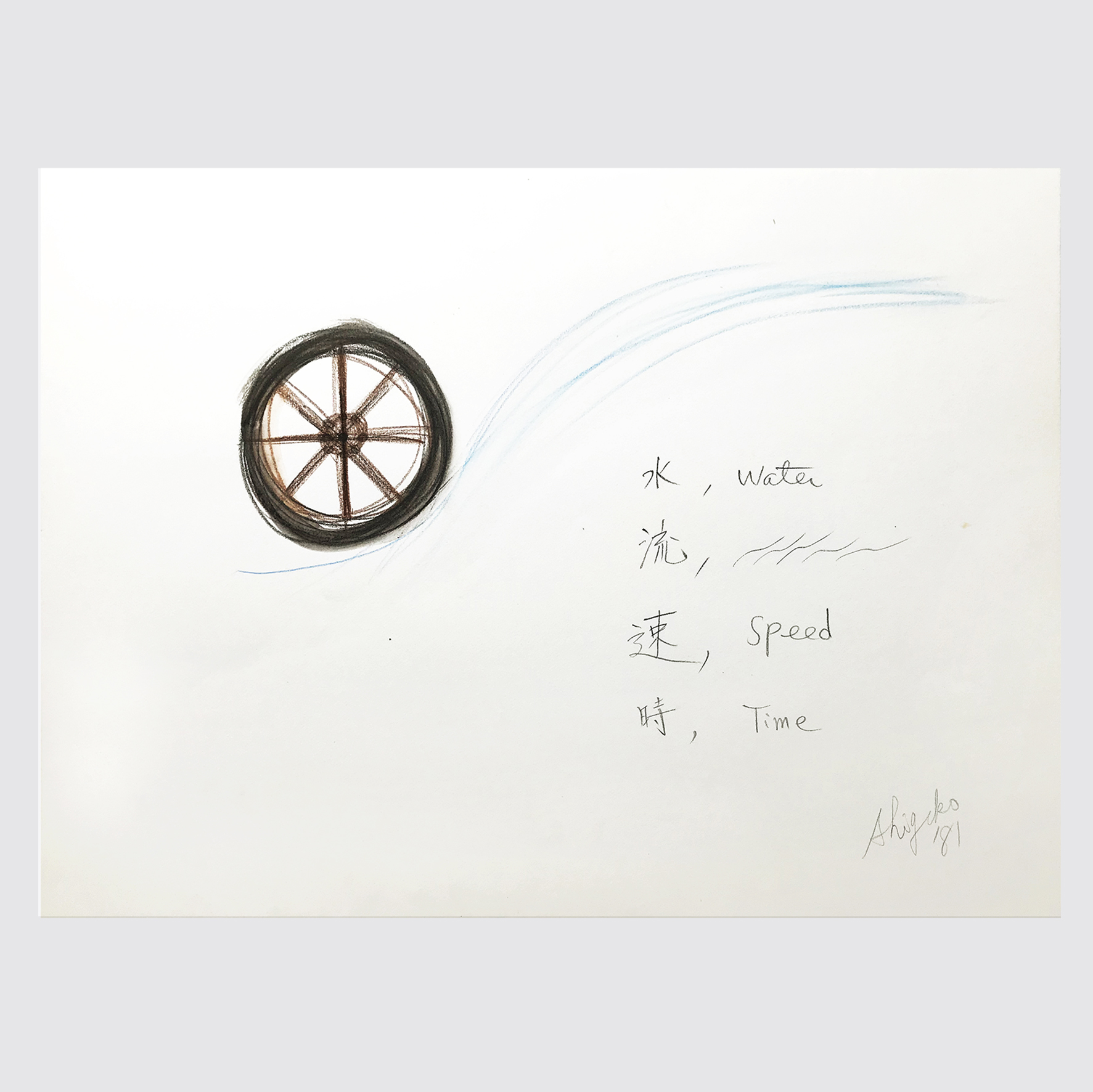
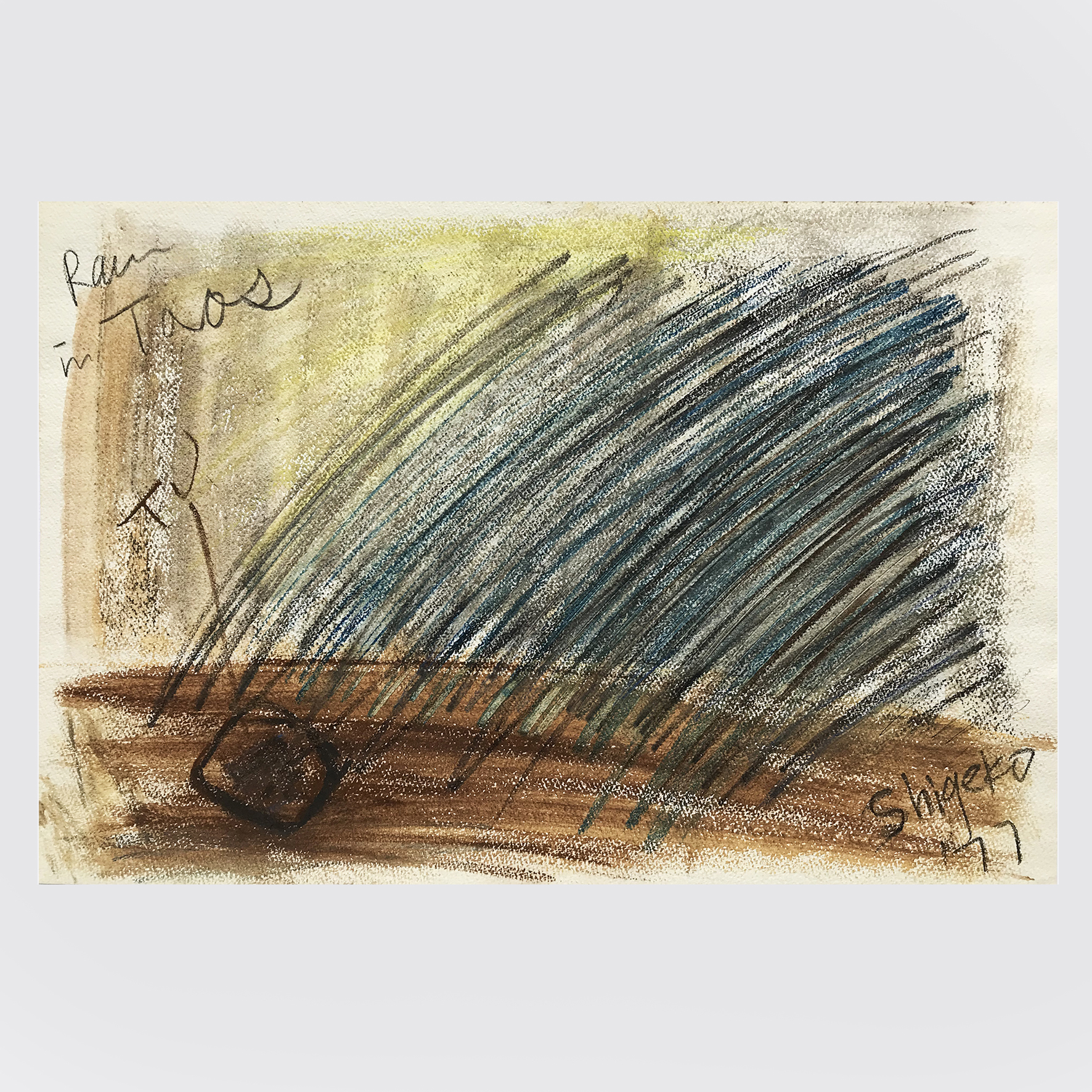
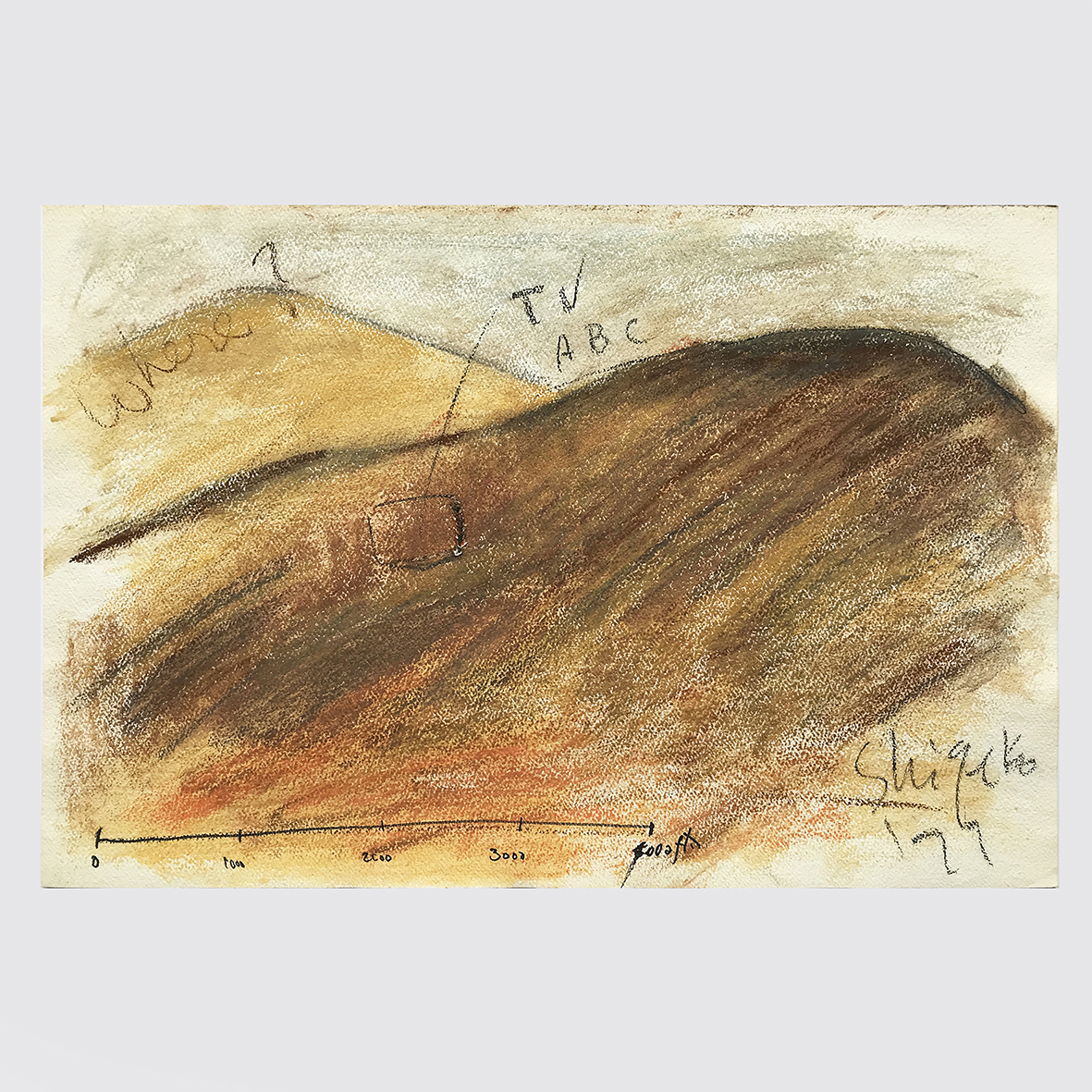
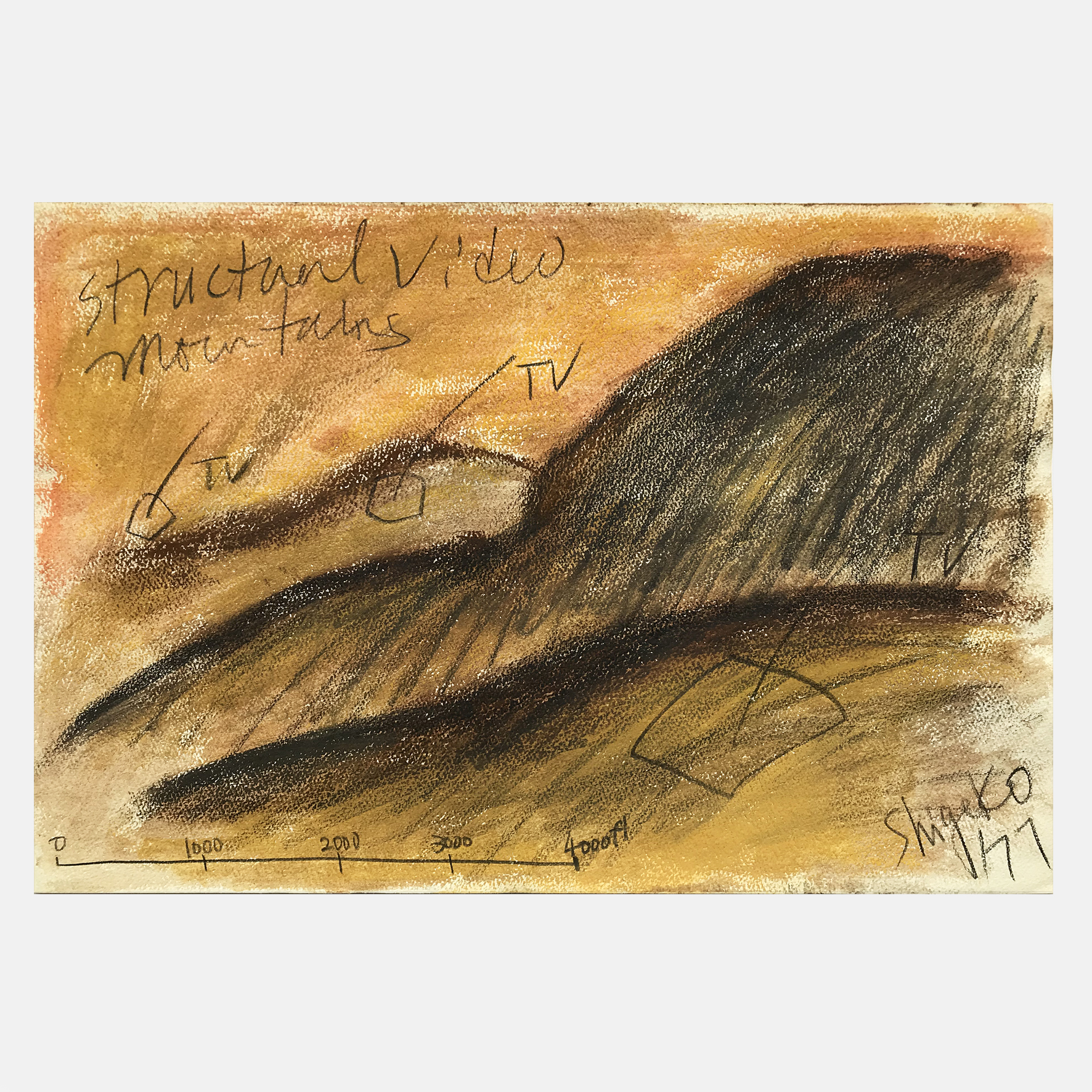
Japan-born artist Shigeko Kubota (1937-2015) is a pioneer of video art. Her work is characterized by great emotional depth and poetic acumen. Coming from a family of Japanese monks and temple guards, she studied sculpture at Tokyo University of Education, where she received her diploma in 1960. Following her first solo exhibition „1st Love, 2nd Love…“ (1963) at the Naiqua Gallery in Tokyo, she moved to New York in 1964 at the invitation of Fluxus founder George Maciunas. There she created her first performance „Vagina Painting“ as part of the Perpetual Fluxfest (1965). Within the context of Fluxus, George Maciunas appointed her as „vice president“ of the movement and she maintained contact with John Cage, Yoko Ono, Takako Saito, Carolee Schneemann as well as musicians of the avant-garde formation Sonic Arts Union.
With the purchase of the first portable video camera (Sony Portapak) around 1970, Shigeko Kubota began to turn to the new medium of video. A defining moment was her encounter with the Dadaist and conceptual artist Marcel Duchamp. Inspired by him, she introduced video sculpture into the encyclopedia of visual art.
Overshadowed by the fame of her husband Nam June Paik, Shigeko Kubota’s artistic legacy has not yet received the attention it deserves. But now, in 2021/22, her artistic contributions to the narratives of video, feminist and art histories will be highlighted in comprehensive exhibitions at the Niigata Prefectural Museum of Modern Art, Nagaoka, the National Museum of Art, Osaka, and the Museum of Contemporary Art, Tokyo. An exhibition at the Museum of Modern Art in New York is planned for 2022.