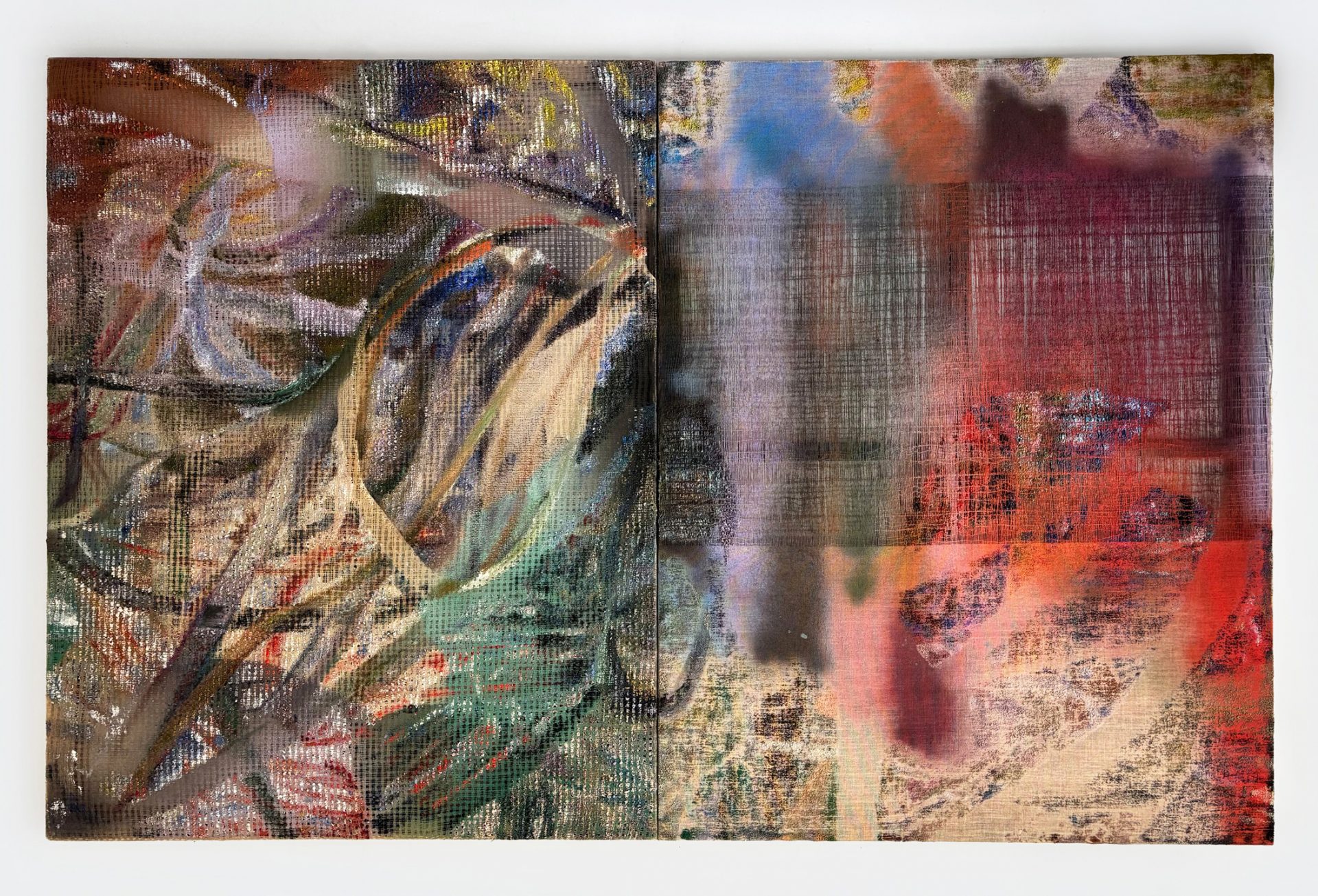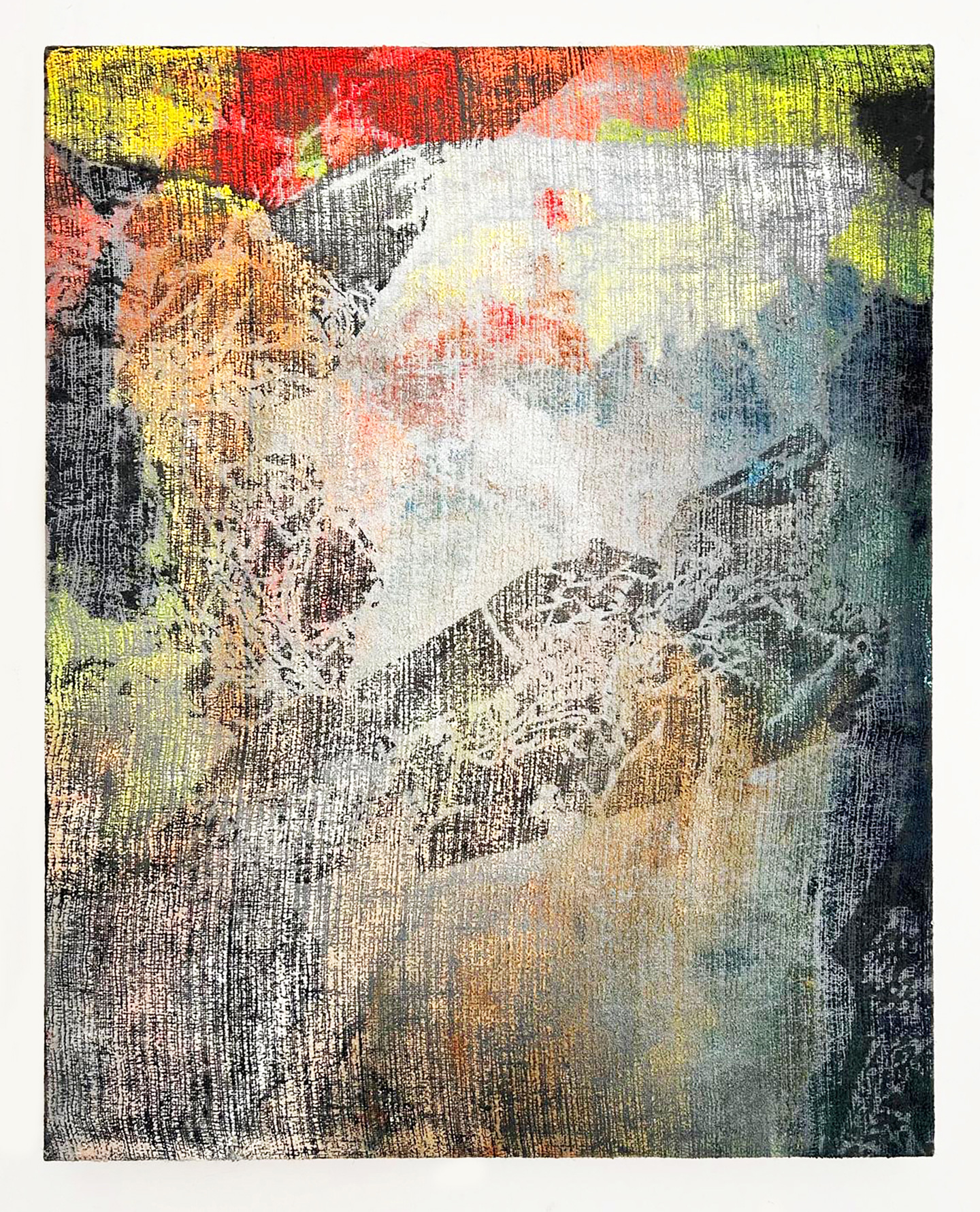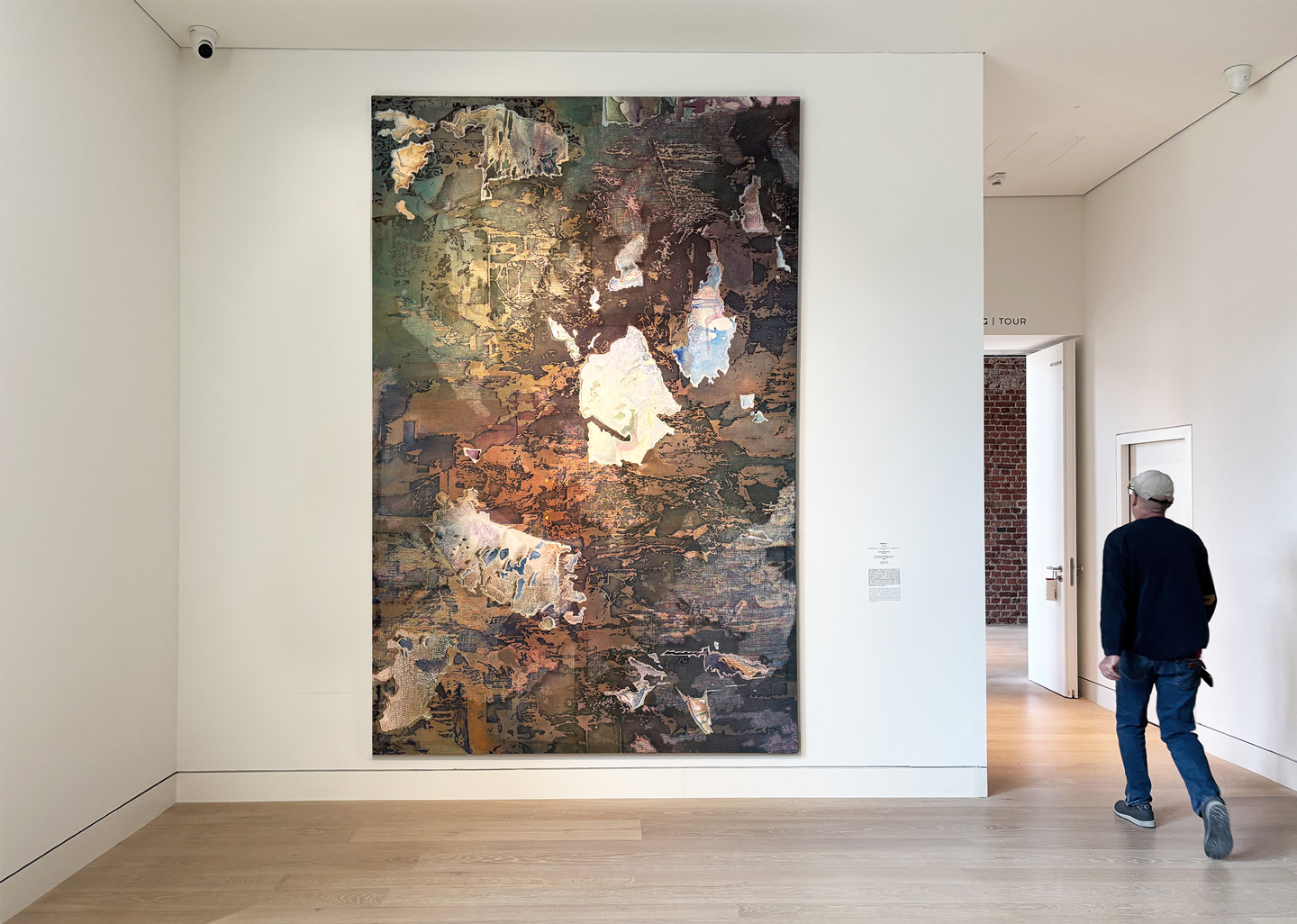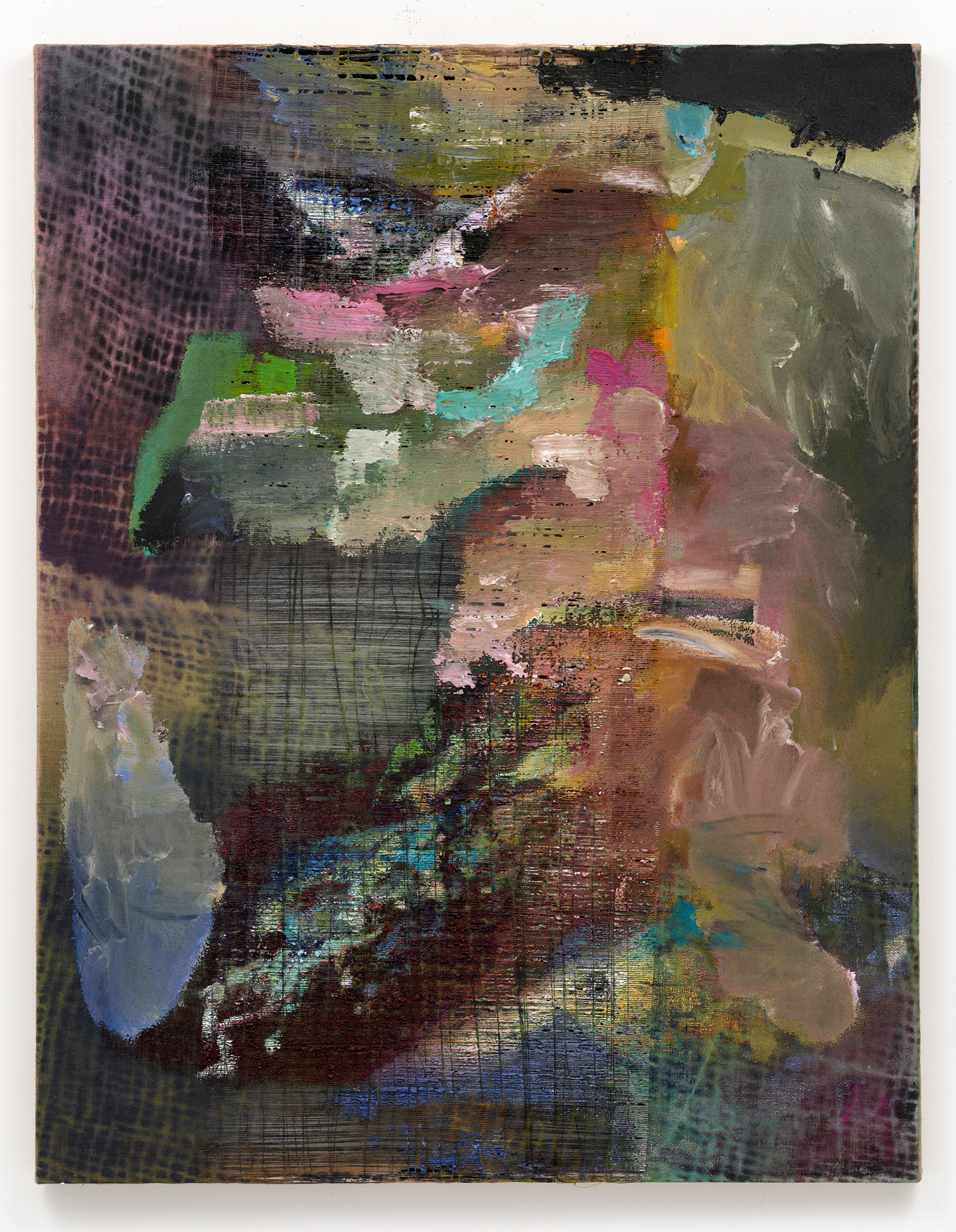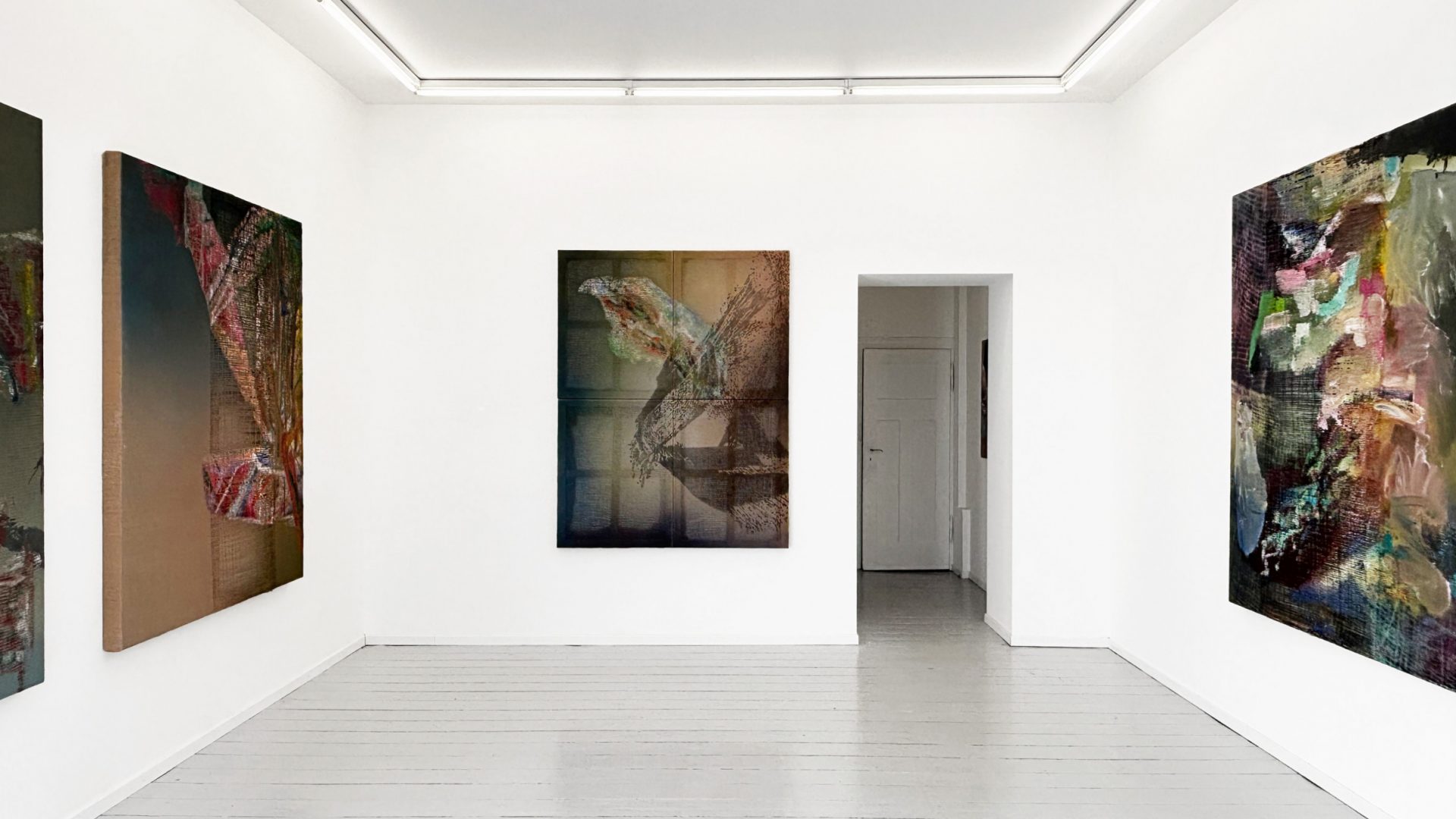
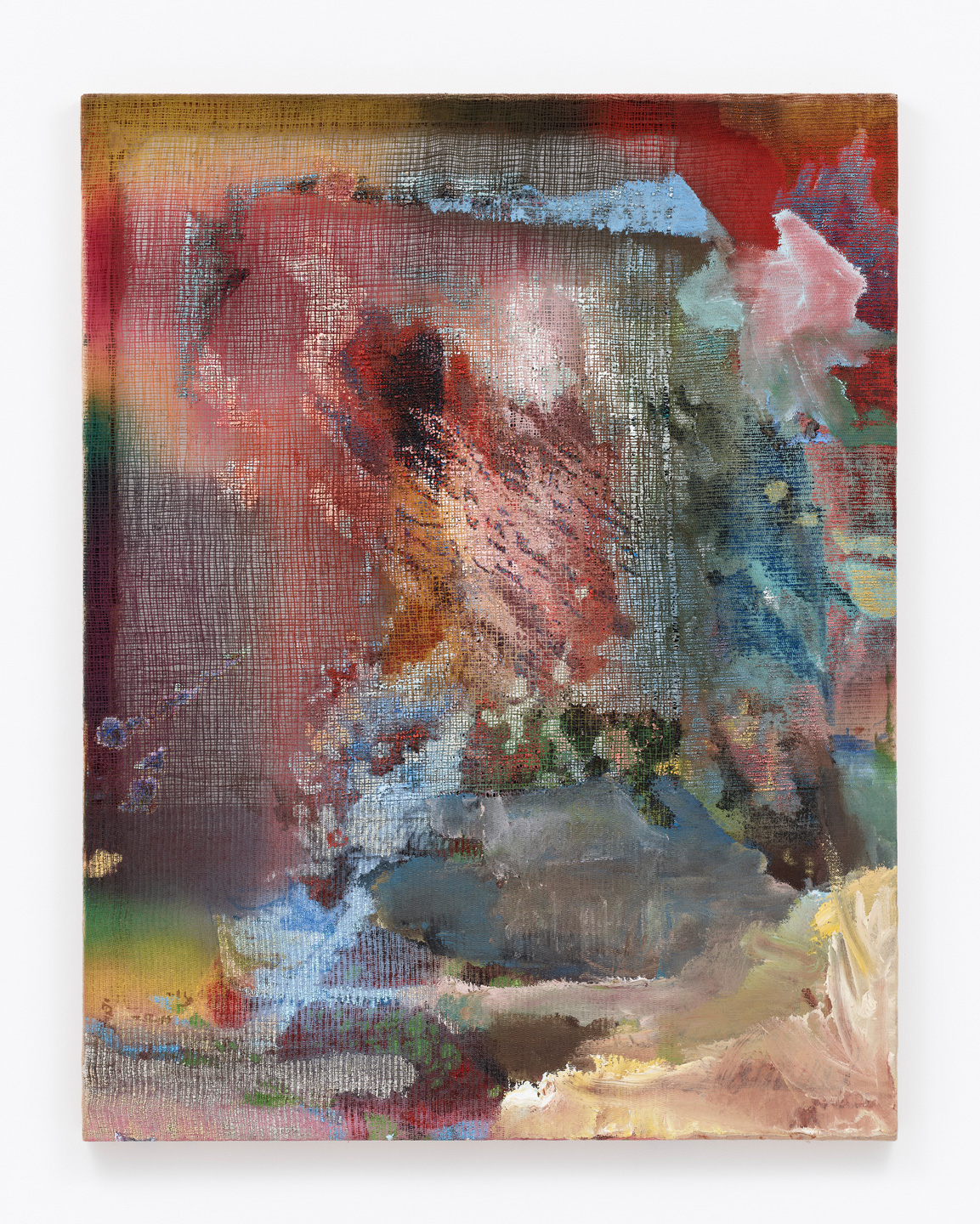
Jutta Haeckel takes a comprehensive approach to the medium of painting, exploring it from all angles and dimensions. From the preparation of the canvas to the completion of the work, she subjects her paintings to a complex and multi-layered creative process that results in visually challenging compositions.
These visually stimulating paintings seem to grow, to be alive, thriving both in the eye of the beholder and during their creation process. Like all living beings, they are subject to constant change, so that the reception of her works becomes a transformative process that offers the viewer a unique cognitive experience. This experience is enhanced by the three-dimensional character of the paintings. Rugged, impasto or smooth areas of color interact with rudimentary representational structures that are reminiscent of architecture, maps, microorganisms or the surface of the moon. These structures are alternated with parts of the painting that allow sudden glimpses of the wall behind and the stretcher. These vistas reinforce the impression that the artist’s approach breaks with the classic application of paint to the canvas and sees the canvas (usually jute) more as a permeable membrane. This impression of permeability and simultaneous interweaving is reinforced by the fact that Haeckel actually works on her canvas from all sides. In her approach, the artist speaks of various autonomous systems that grow together during the creative process.The resulting impression leaves a feeling of the indescribable, for which Marcel Duchamp created the term “inframince”. In reference to Jutta Haeckel’s works, “inframince” refers to a type of perception that goes beyond visual understanding. What we see is supplemented with knowledge and imagination. In this way, we add a dimension to what we see which is invisible, yet present and inextricably entangled with the work of art.