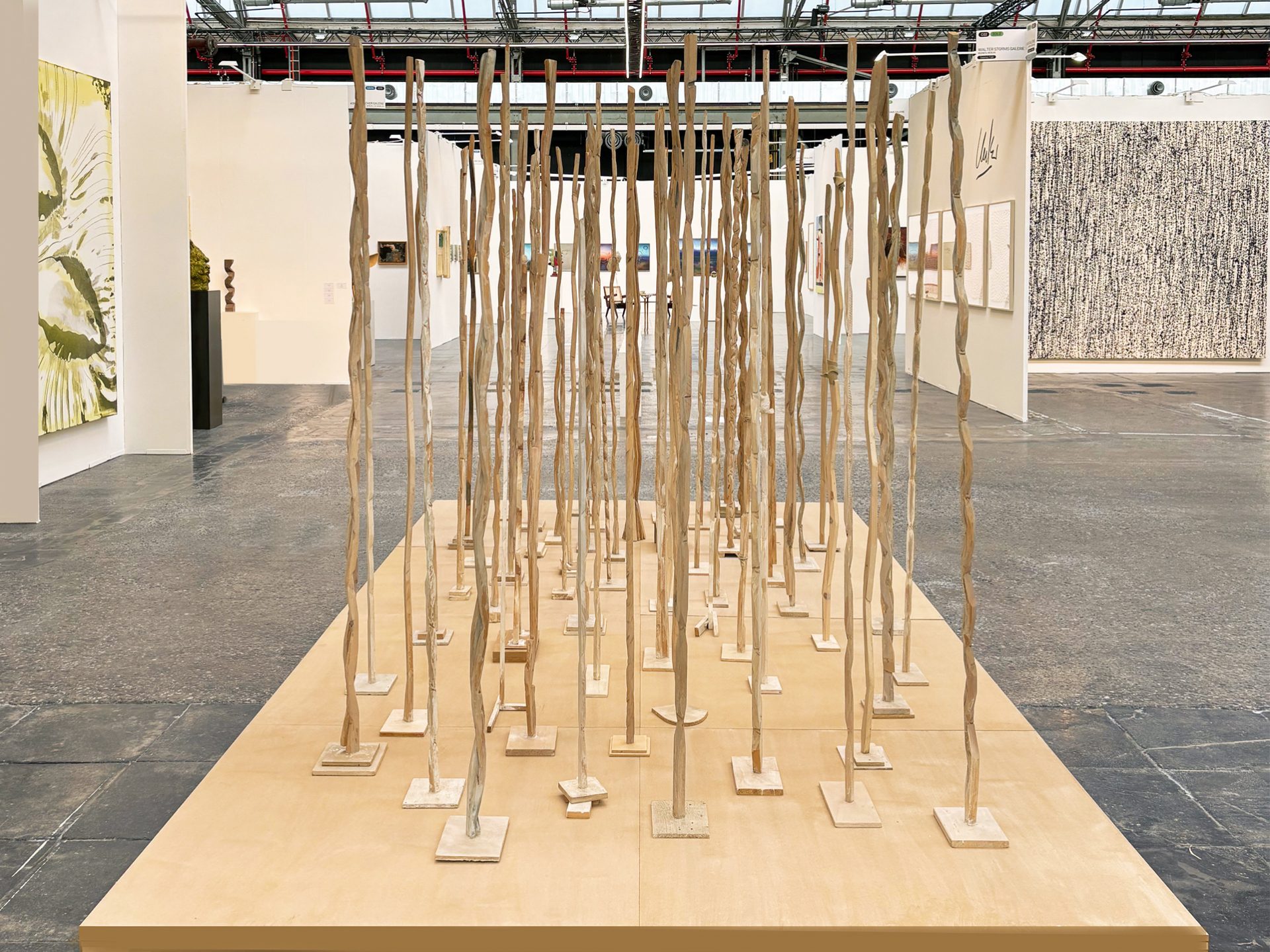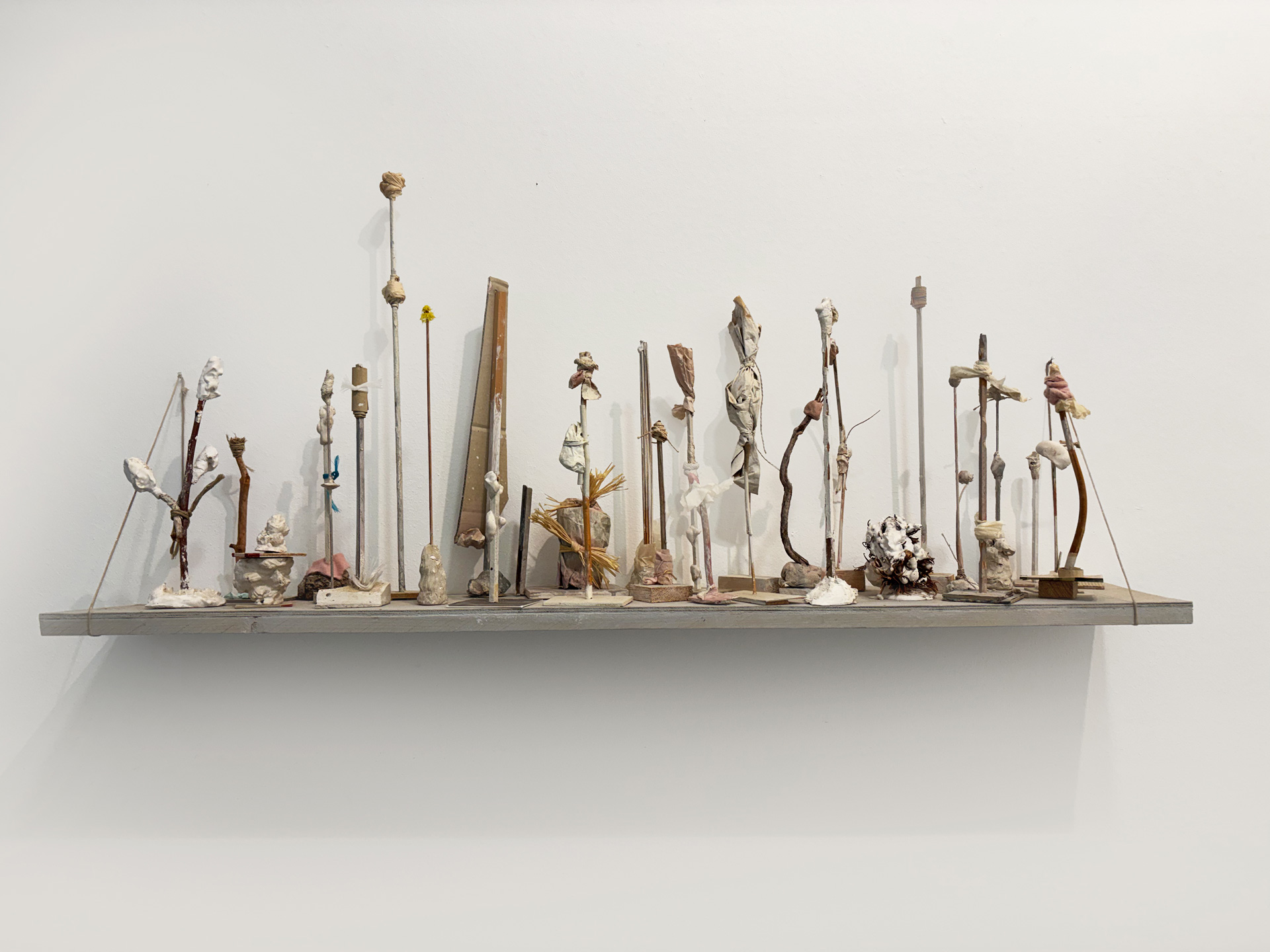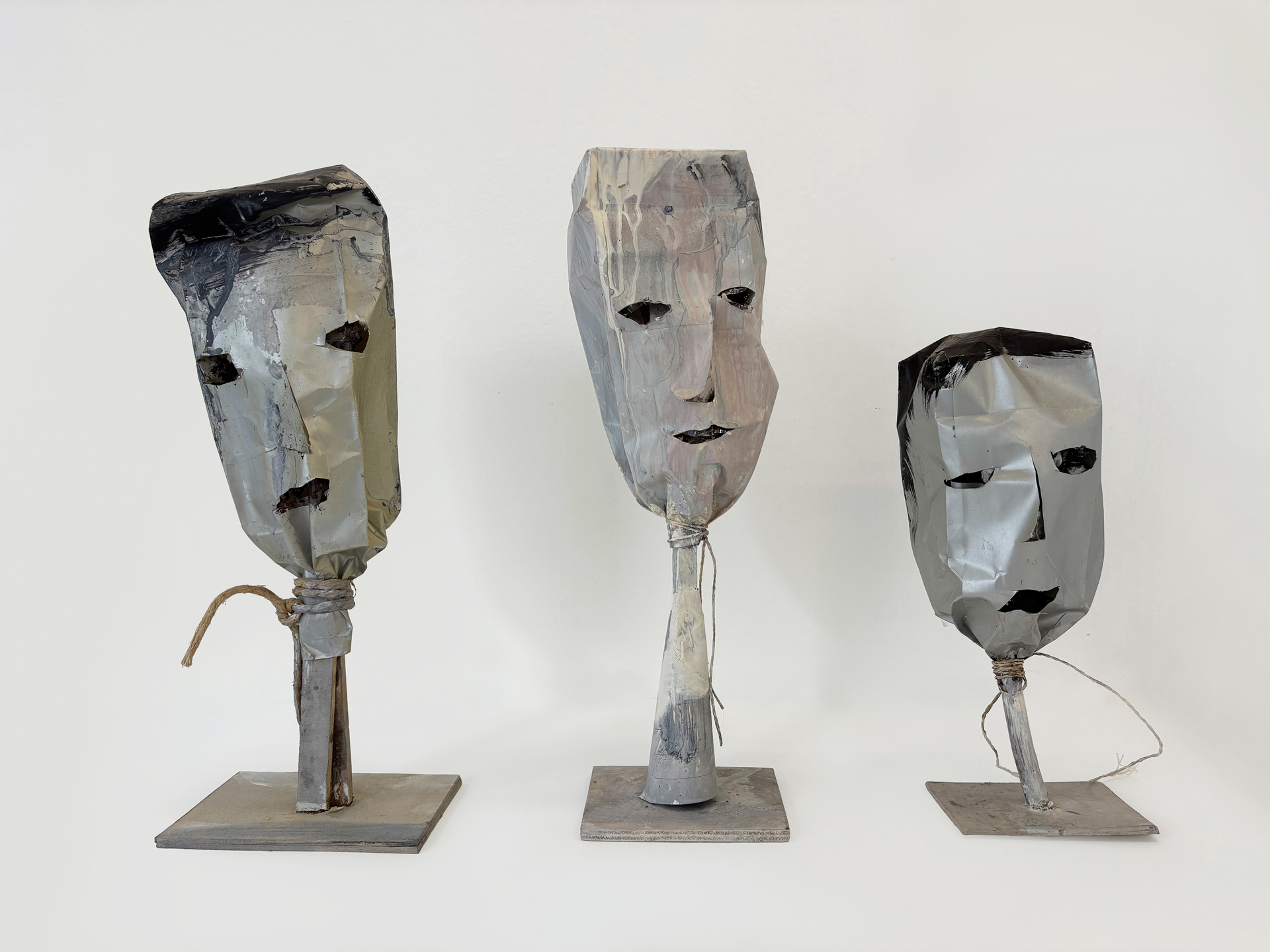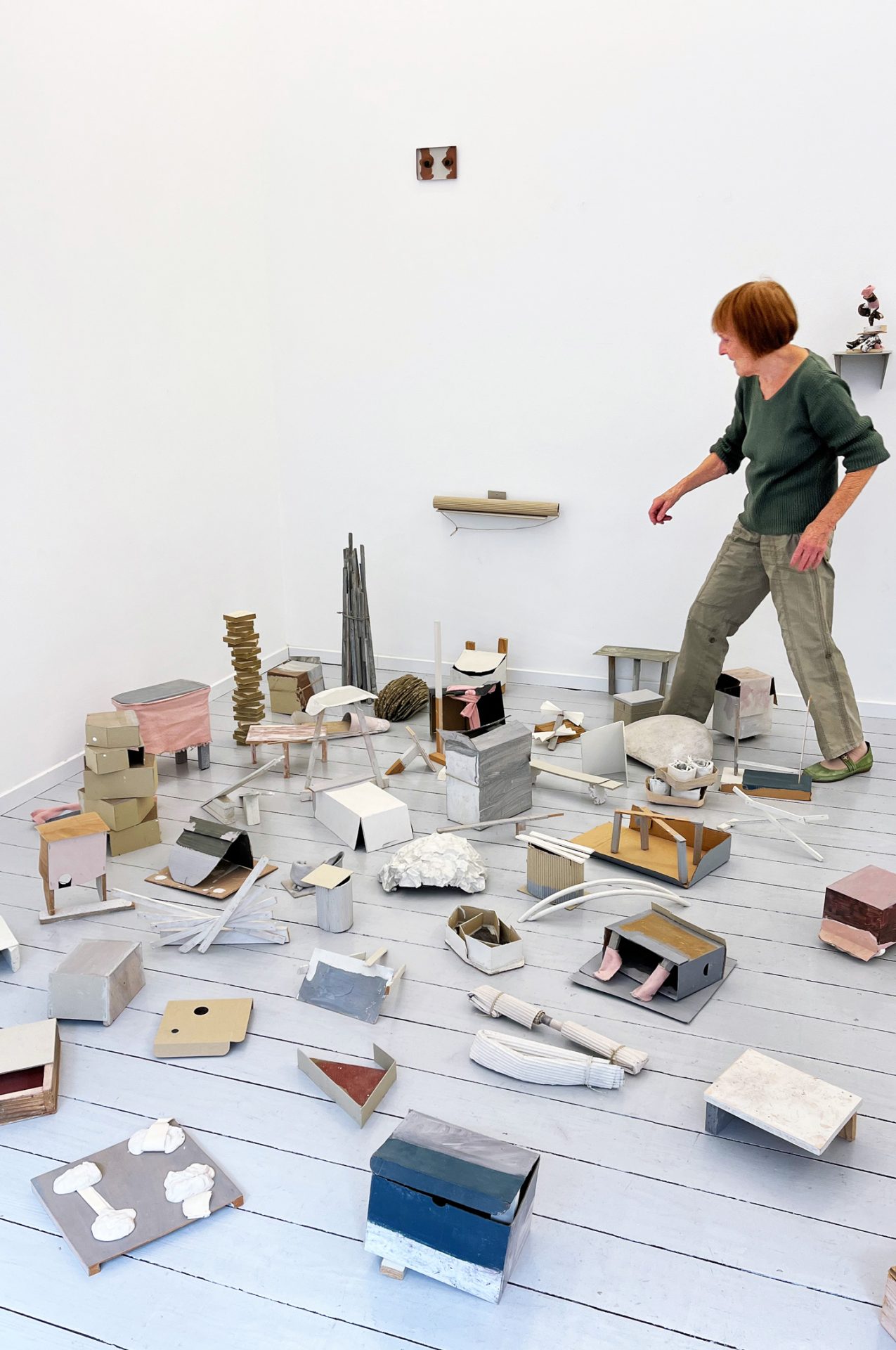
Inge Schmidt’s works are characterized by an extraordinary focus on material, form, and spatial presence. Without relying on superficial effects, she creates sculptures and objects whose impact stems from the precision of their composition and her sensitive handling of the respective materials. Each work reveals its own internal order and invites the viewer to engage with the subtle relationships between form, surface, line, and space.
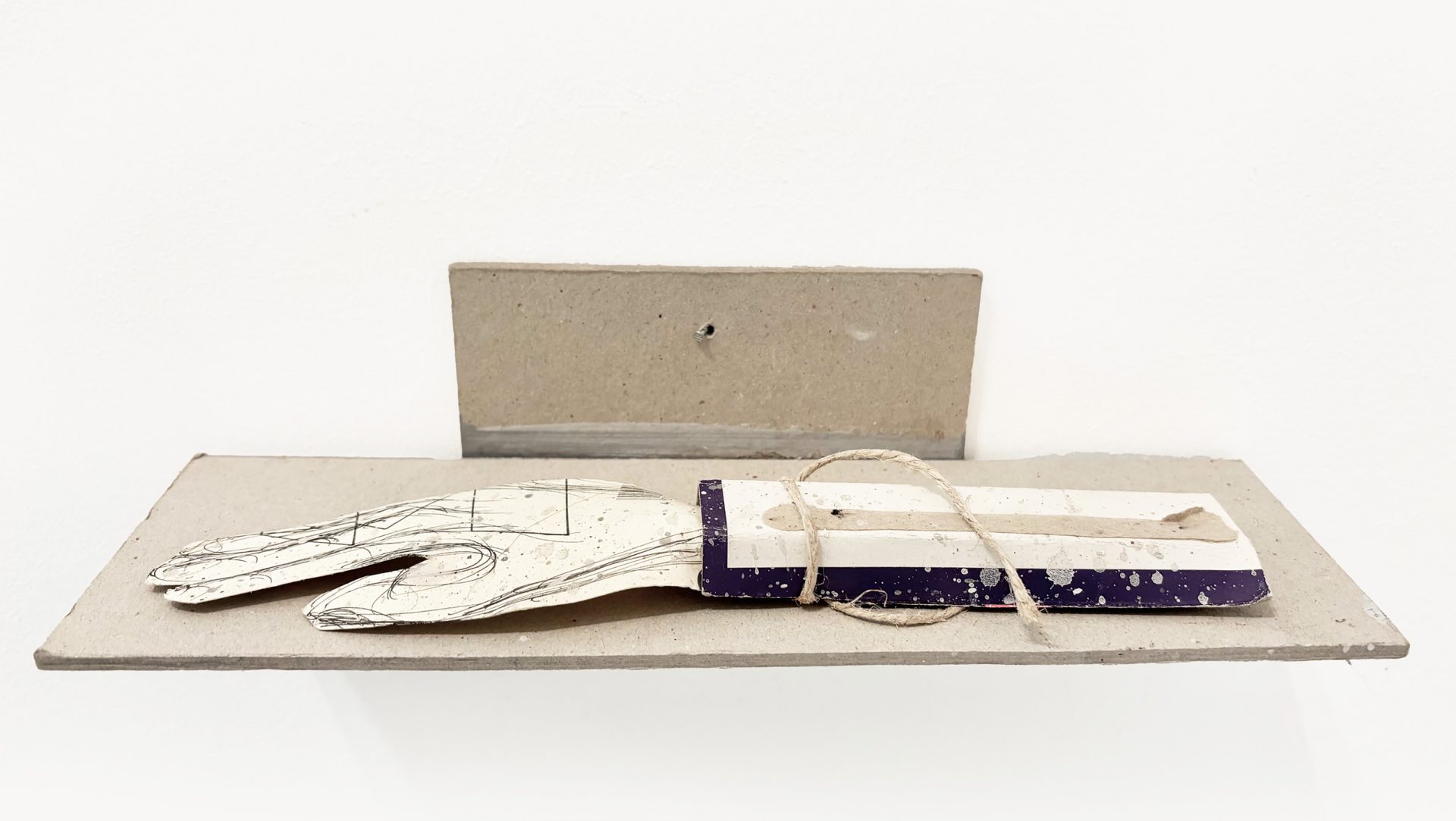
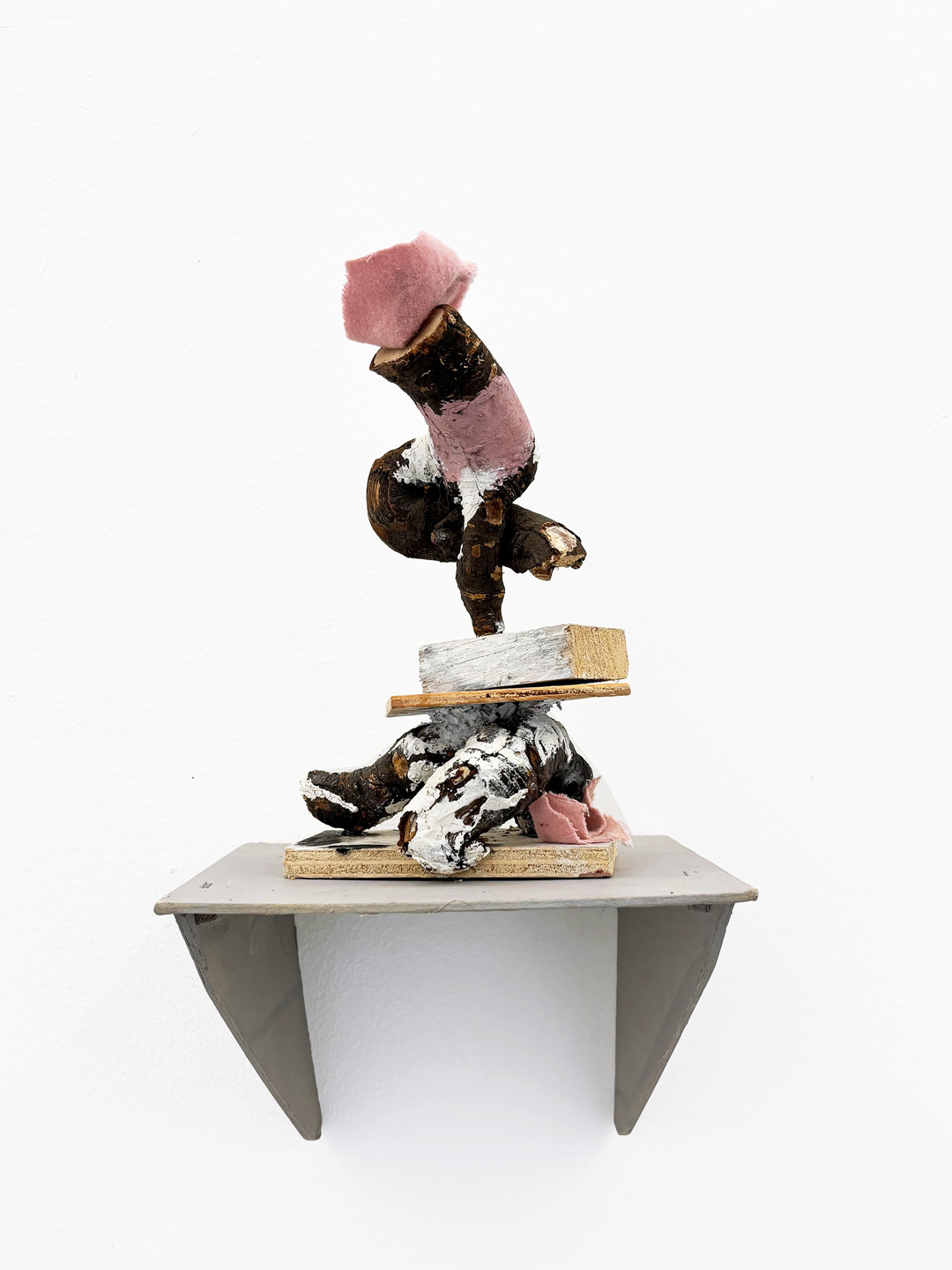
The simple, everyday materials Inge Schmidt works with play a significant role in this: thin lumber, cardboard, corrugated cardboard, glue, tape, string, or wire. The artist herself refers to them as “insignificant materials.” It is precisely their unassuming nature that allows for free and unencumbered work. They carry no preconceived meaning or special material aura, but remain open to change, connection, and transformation.
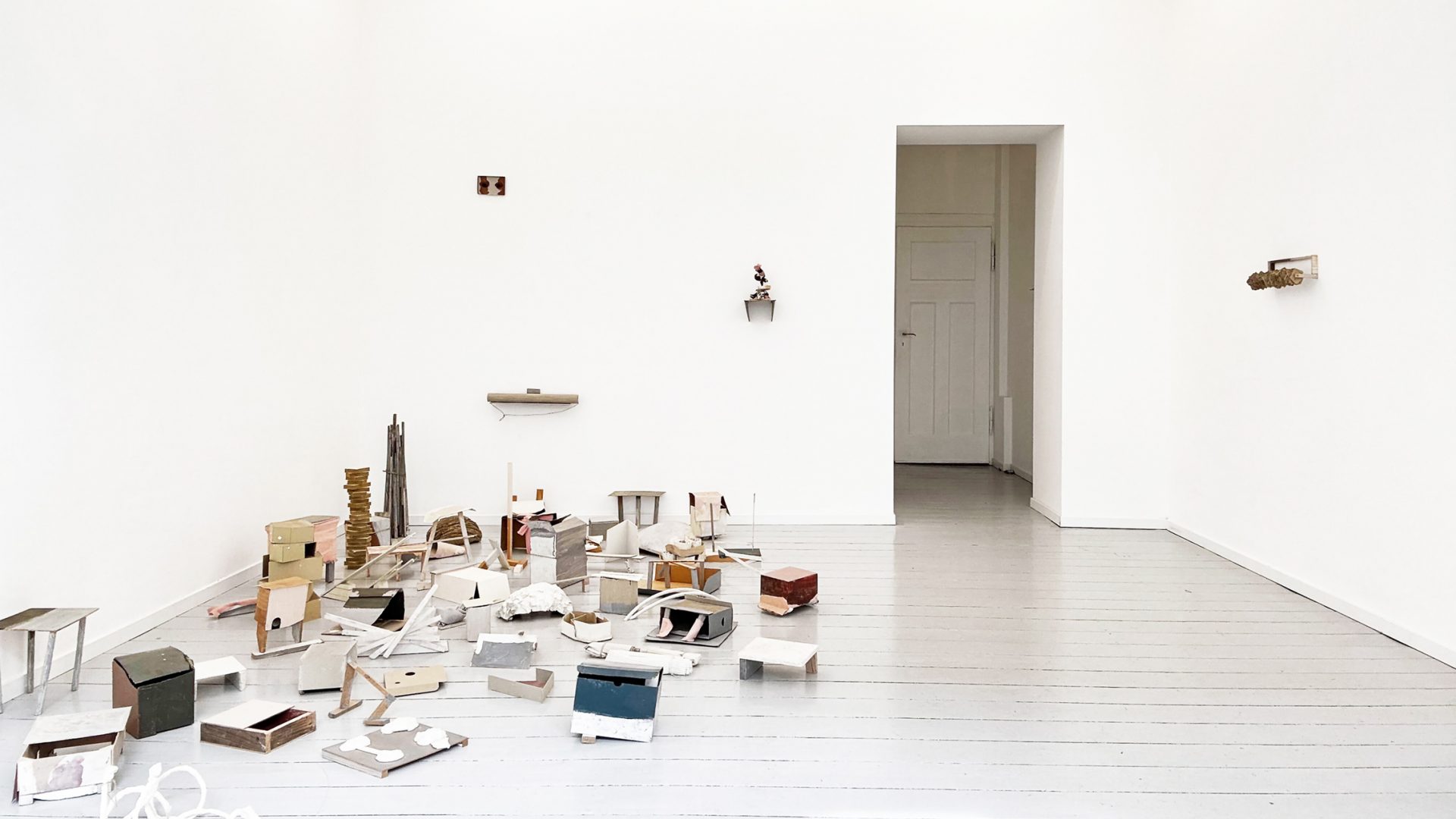
Inge Schmidt’s works are closely connected to their surroundings. Architecture does not serve as a backdrop, but rather as a counterpart: walls, floors, edges, and proportions are incorporated into the composition. Straddling the line between structure and openness, her works give shape to the space without dominating it.
Manfred Schneckenburger describes this distinctive quality of Inge Schmidt’s work:
“For some artists, the adjective ‘modest’ would almost be disparaging. In Inge Schmidt’s case, however, it stands for a high aesthetic quality, a very rare renunciation of all sculptural rhetoric, of grand words and gestures—a focus on what is often called ‘the essential’: limiting herself to means and methods that are as essential as they are indispensable for a ‘sculptural piece.’”
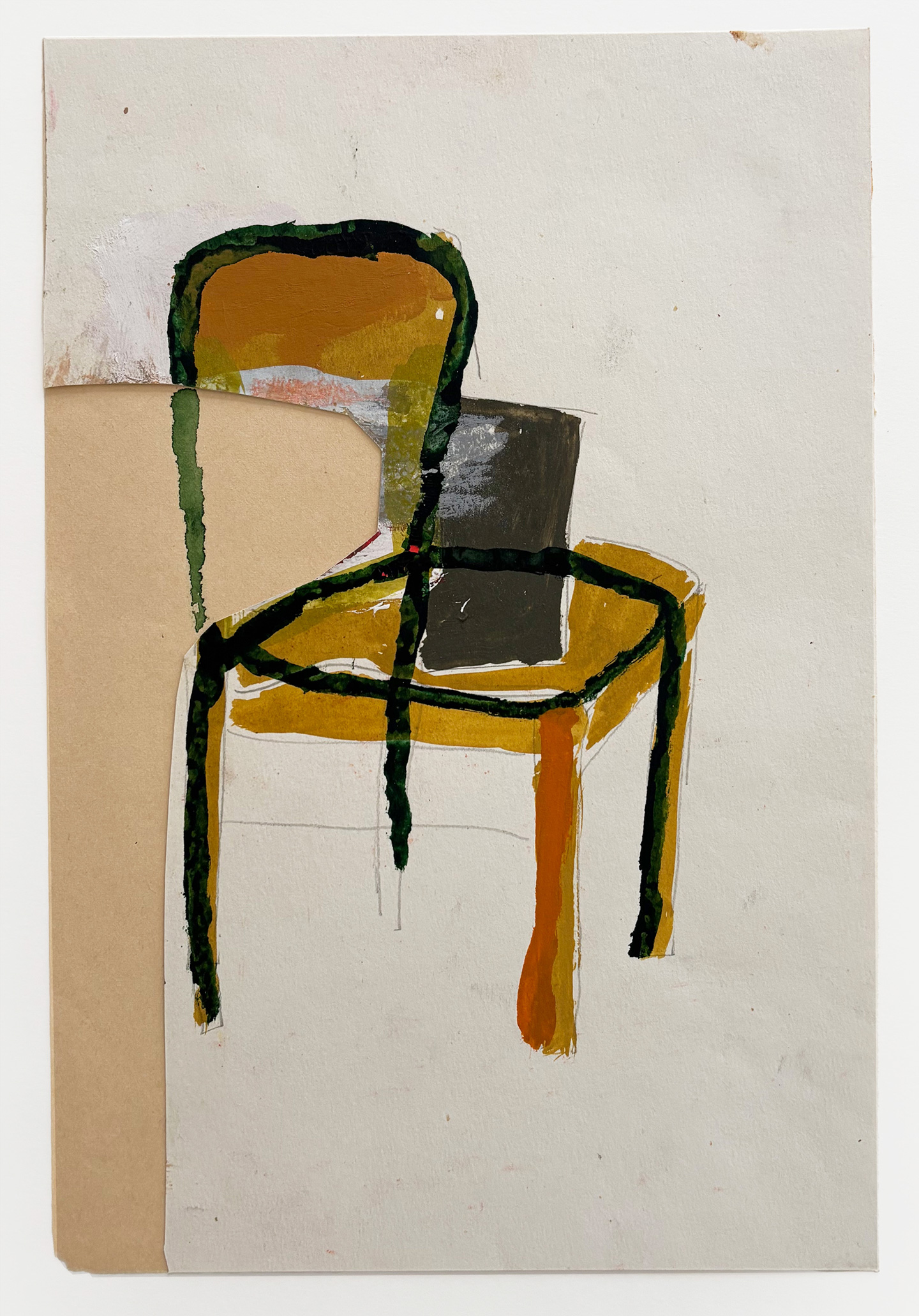
Drawings and artist’s books expand the artist’s sculptural thinking. They are closely linked to her three-dimensional works and, at the same time, form a distinct area of her body of work.
The makeshift and improvisational nature of these materials serves as the starting point for a precise sculptural language. Using simple materials, the artist creates structures of great clarity and, at the same time, surprising delicacy. The tension between the provisional and the precise execution gives rise to a unique poetic quality that repeatedly reveals a subtle, quiet sense of humor.